Our construction safety nets are suitable for high-rise buildings, renovation projects, and industrial sites. They require low maintenance, meet safety requirements, and offer long-lasting protection, making them a dependable safety solution for a safer and more controlled construction environment.
Vishwanath Balcony Safety Nets
Best Balcony Safety Nets in Hyderabad - Call Now ! +91 93471 39488
- HOME
- ABOUT US
- Services
- BALCONY SAFETY NETS
- PIGEON SAFETY NETS
- CHILDREN SAFETY NETS
- DUCT AREA NETS
- MONKEY SAFETY NETS
- PETS SAFETY NETS
- CONSTRUCTION SAFETY NETS
- STAIRCASE SAFETY NETS
- BIRD SPIKES
- OPEN AREA SAFETY NETS
- INDUSTRIAL SAFETY NETS
- CAR PARKING NETS
- SWIMMING POOL SAFETY NETS
- CRICKET NETS
- ALL TYPES SPORTS NETS
- TERRACE CRICKET NETS
- TERRACE TOP NETS
- COCONUT TREE NETS
- HDPE NETS – NYLON NETS
- SPARROW PROTECTION NETS
- CONTACT US

Get Consultation
+91 93471 39488
CONSTRUCTION SAFETY NETS
Construction Safety Nets in Hyderabad
Strong & Reliable Construction Safety Net Installation
Construction sites involve multiple safety risks, especially in high-rise buildings and ongoing projects. At Vishwanath Balcony Safety Nets, we provide professional construction safety net installation services across Hyderabad to protect workers, pedestrians, and nearby properties from accidents and falling debris.
With 10+ years of experience, we deliver high-quality, heavy-duty safety nets that meet safety standards and ensure a safer working environment at construction sites.
Contact Us
+91 93471 39488
Our Installation Process
At Vishwanath Balcony Safety Nets, we follow a simple, transparent, and efficient installation process to ensure complete safety and customer satisfaction. Our process begins with a free site inspection, where our experts visit your location to understand your requirements and take accurate measurements. We then provide professional consultation, recommending the most suitable safety net solution based on your space, safety needs, and budget.Each net is custom-sized and professionally installed to cover work areas, scaffolding, and open edges effectively.Our goal is to deliver a hassle-free experience with reliable
Our Construction Safety Net Features
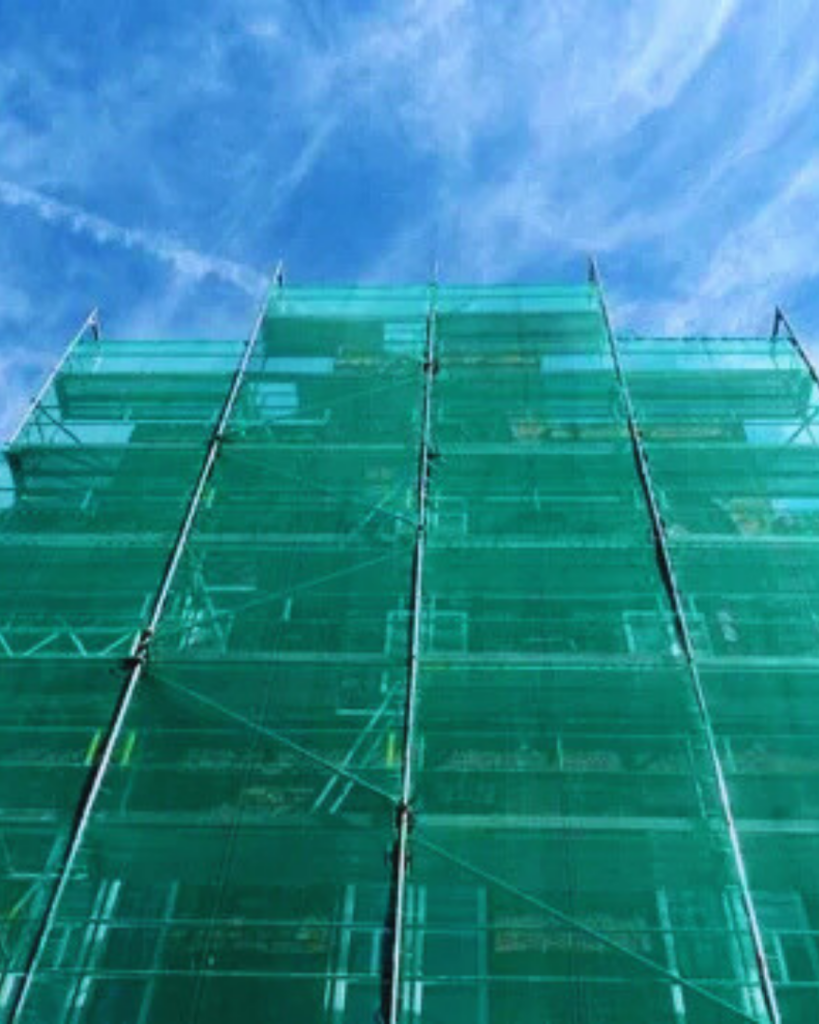
Our construction safety nets are designed to provide maximum protection at construction and maintenance sites. Made from high-strength, UV-stabilized materials, these nets are durable, impact-resistant, and weather-proof, ensuring reliable performance in demanding site conditions. Each net is custom-sized and professionally installed to cover work areas, scaffolding, and open edges effectively. Our installation ensures secure anchoring, strong knotting, and zero gaps, helping to prevent worker falls and stop debris from dropping to lower levels.
Why Construction Safety Nets Are Important
Construction sites are high-risk environments where workers, materials, and heavy equipment operate at heights. Without proper safety measures, the chances of accidents increase significantly. Construction safety nets play a crucial role in creating a safer worksite by protecting workers, pedestrians, and surrounding property from potential hazards.
One of the main reasons construction safety nets are important is fall protection. Workers operating on upper floors or scaffolding are at risk of slipping or losing balance. Safety nets act as a secondary fall-arrest system, reducing the severity of injuries and, in many cases, saving lives. They also help prevent tools, debris, and construction materials from falling, which can otherwise cause serious injuries to people below.
Construction safety nets also contribute to site safety compliance. Many safety regulations and standards require protective measures to minimize workplace hazards. Installing proper safety nets helps builders and contractors meet safety guidelines and demonstrate a commitment to worker welfare.
Another important benefit is protection of surrounding areas. In urban construction sites, falling debris can damage nearby buildings, vehicles, or public walkways. Safety nets act as a protective barrier, reducing risks to pedestrians and neighboring properties.
Modern construction safety nets are made from high-strength, durable materials designed to withstand heavy impact and harsh weather conditions. They are professionally installed to ensure secure fixing and long-term reliability.
Overall, construction safety nets are not just a safety accessory—they are a critical investment in accident prevention, legal compliance, and human life protection, ensuring a safer and more responsible construction environment.
Book Your Balcony Safety Net Installation Today
WhatsApp us